Smart Placement: Maximizing Flow and Functionality
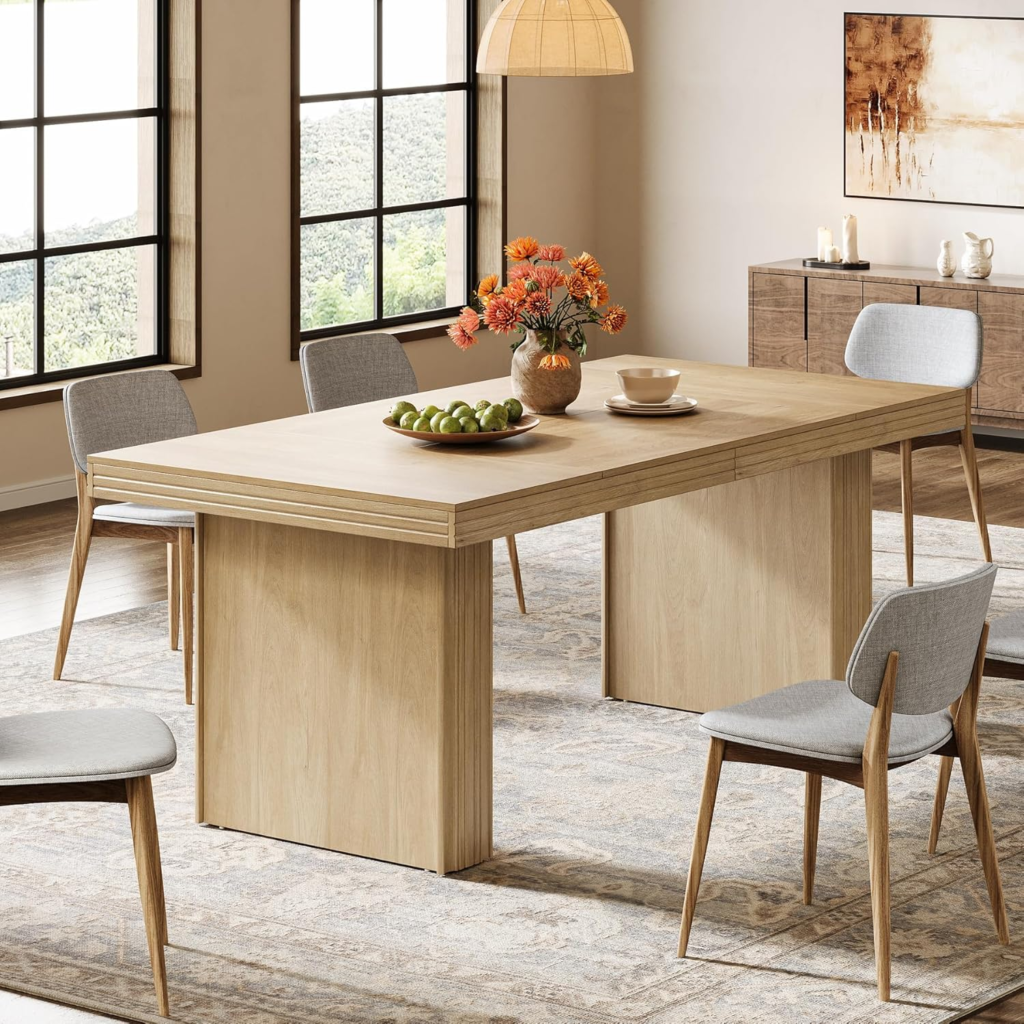
Effective table placement in a small dining area is crucial for enhancing both functionality and visual flow. A well-positioned dining table can transform your limited space into a stylish and practical gathering point. Ideally, placing the table along the longest wall or positioning it parallel to neighboring areas can create a sense of openness, making the room feel larger than its actual dimensions. This method also contributes to an uninterrupted line of sight throughout the area.See Current Price Here . As an Amazon Associate, I earn from qualifying. Thank you
When arranging your dining table, it is essential to prioritize adequate clearance around the seating to facilitate effortless movement. A recommended distance of at least 36 inches on the main walking side allows individuals to navigate through the space comfortably, minimizing the risk of congestion. This clearance is particularly important when the table is being accessed by multiple diners or when serving meals, thus enhancing the overall dining experience.
For particularly tight spaces, innovative solutions can be implemented. One effective idea is to allow one side of the table to be positioned closer to a wall, which can help reclaim valuable floor space while still providing sufficient room for seating on the opposite side. Utilizing this approach not only maximizes the available area but also fosters an intimate dining atmosphere. Additionally, consider incorporating a round or oval table, as their shapes can fit snugly into corners or small nooks, creating an inviting dining environment without compromising on function. Ultimately, finding a balance between aesthetics and practical use is key in small dining areas, ensuring that every square inch is utilized effectively.
Choose Light, Calm Colors for an Airy Feel
When styling a large dining table within a small room, the colors utilized in the design can greatly influence the perception of space. Adopting light, calm colors is crucial as they promote an airy atmosphere, making it easier for the room to appear larger and more inviting. Consider soft white or pale gray for the walls, as these hues reflect light effectively, creating an illusion of openness. Such neutral palettes not only enhance the overall brightness of the room but also provide a soothing backdrop that allows the dining table to stand out without overwhelming the space.
Incorporating a natural oak dining table into the design scheme aligns perfectly with this color strategy. The warm, earthy tones of oak add a touch of sophistication without contributing to a cluttered visual effect. This type of table pairs well with light wall colors, fostering a sense of harmony and balance in the environment. Additionally, the use of slim-profile chairs in matching light shades aids in maintaining an open feel. Opting for chairs that don’t overpower the visual lines of the table ensures that the arrangement remains cohesive and space-efficient.
Moreover, seating alternatives like benches present a flexible and practical option. Benches can be easily tucked under the table when not in use, freeing up space and minimizing visual clutter. Choosing a bench upholstered in light fabric or finished in a pale color can further enhance the airy atmosphere. These design choices create an open flow, preventing the room from feeling cramped. Thus, engaging with light colors and appropriate furniture choices can significantly transform a small dining area into a serene and functional space that maximizes both style and comfort.
Incorporating Soft Lighting to Enhance Ambiance
Lighting plays a pivotal role in transforming the atmosphere of a small dining room. The right kind of lighting can create an inviting environment, making a compact space feel more open and welcoming. To achieve this effect, consider installing a simple pendant light or chandelier directly above the dining table. This not only draws the eye upward, balancing the visual weight of a large table in a smaller room, but also provides focal illumination for dining activities. It is crucial to ensure that any light fixture remains proportionate to the size of the room; thus, selecting a light that complements the room’s dimensions is essential.
The use of warm lighting is particularly effective in cultivating intimacy and comfort within your dining area. Soft, warm light can soften the overall appearance of the space, promoting a cozy atmosphere ideal for gatherings. Dimmers can also be employed to adjust the brightness according to different occasions, further enhancing the room’s versatility. For an additional layer of warmth and ambiance, consider adding supplementary lighting sources, such as wall sconces or adjustable floor lamps. These elements can help create a multi-dimensional lighting scheme that avoids the harsh shadows often associated with a single light source.
Layered lighting not only enhances the aesthetic qualities of the dining room but also allows for functional flexibility. Using a combination of ambient, task, and accent lighting ensures that every angle of the room is well-lit and inviting. Wall sconces, especially those with dimmer switches, can provide soft illumination along the walls, while strategically placed floor lamps add height and depth. By thoughtfully incorporating various light sources, the dining room can exude a sense of harmony and sophistication, making every meal a delightful experience.
Minimal Table Styling: The Power of Less is More
Embracing minimalism in table styling is crucial when working with compact dining spaces. The concept underscores that simplicity can often lead to an enhanced aesthetic experience, allowing the room to appear more spacious and uncluttered. To achieve this, it is advisable to select a simple centerpiece. Options such as a low vase filled with fresh flowers or a natural wooden tray can effectively serve this purpose without creating visual chaos.
When styling a large dining table within a limited area, it becomes vital to keep the table surface clean and organized. Excessive decor can overwhelm the senses and detract from the overall ambiance of the room. A sleek arrangement fosters a sense of tranquility, ensuring that the dining table becomes a focal point rather than a cluttered landscape. Opting for only a few well-chosen decorative elements can establish a calming effect that complements rather than hinders the experience of dining.
Additionally, the use of negative space around the centerpiece enhances the perception of openness. Arranging items with intention, allowing for breathing room between them, will draw attention to the beauty of each piece while maintaining a serene environment. This approach not only helps in maximizing the existing space but also facilitates functionality during meals. In a small room where space can often feel limited, adopting a few overarching principles of minimalism can create a pleasing balance that invokes harmony and sophistication.