Understanding the Impact of Wall Art
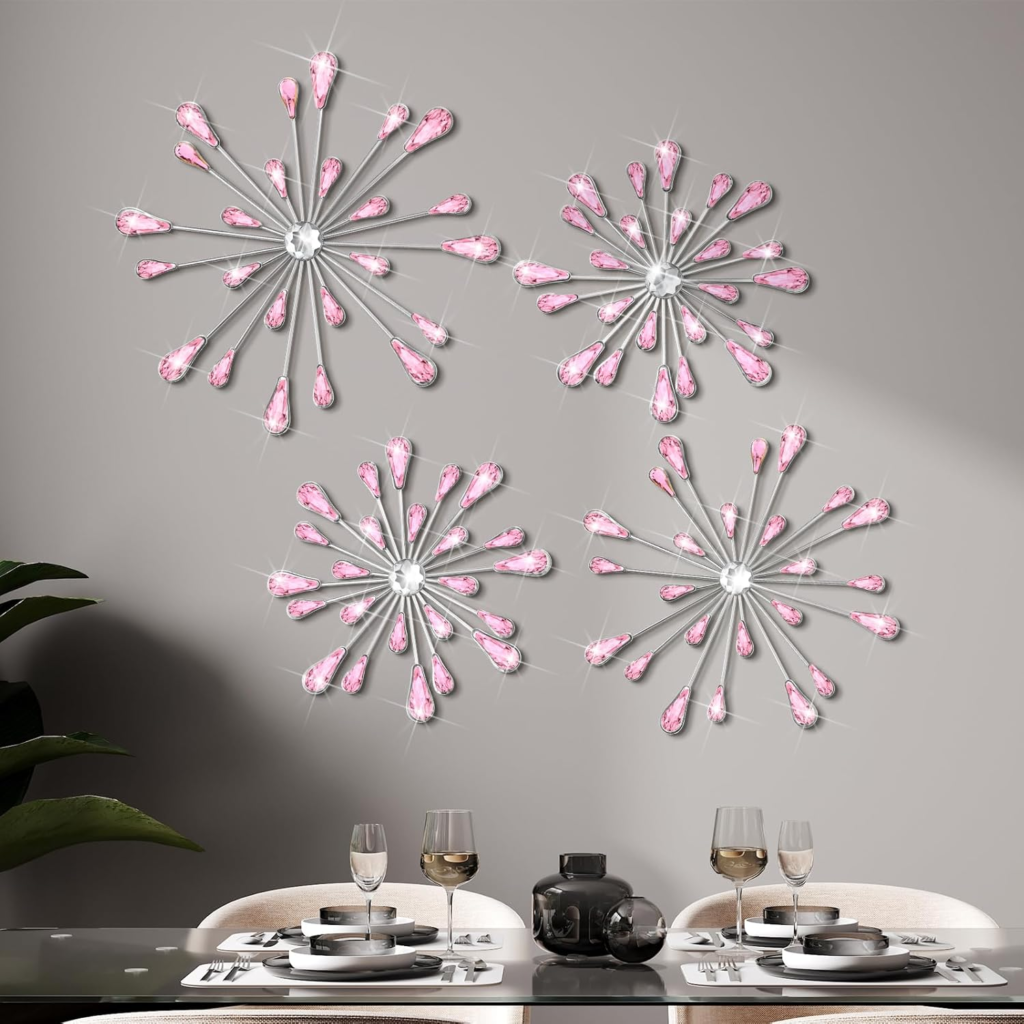
Wall art plays a crucial role in shaping the atmosphere of a room, influencing not just its aesthetic appeal but also the emotions and behaviors of those who
inhabit the space. The colors, shapes, and styles of the artwork can evoke various psychological responses, thereby transforming the overall experience of the environment. For example, warm colors like red and orange can stimulate energy and enthusiasm, while cooler tones such as blue and green may promote calmness and relaxation. This inherent power of color reflects the importance of careful selection when choosing wall decor. See Current Price Here. As an Amazon Associate, I earn from qulifying purchses.
Moreover, wall art serves as a vehicle for personal expression. The pieces you choose to display can reflect your personality, interests, and values. By incorporating art that resonates with you, you create a living space that feels more personal and inviting. This connection between the individual and the artwork fosters a sense of belonging and emotional well-being. By showing off your unique taste through wall decor, you also invite guests to engage with your personality, making your home a more welcoming environment.
Additionally, well-placed wall art can serve as a focal point within a room, drawing attention and providing structure to the overall design. Strategically selecting a large art piece or a curated gallery wall can lead the viewer’s eye across the room, creating a cohesive look that anchors the space. Thereby, wall art contributes not only to the visual aesthetic but also enhances the functionality of the interior layout. By understanding these aspects, one can truly appreciate the transformative power of wall decor.
Choosing the Right Artwork for Your Space
Selecting the right artwork is crucial for enhancing the aesthetic appeal of your home. Every space has its unique characteristics, influenced by factors such as size, color palette, and existing decor. When embarking on this artistic journey, the first step is to assess the size of the wall where you intend to hang the artwork. Large walls typically benefit from large-scale art pieces or a gallery wall filled with smaller works, creating a focal point that draws attention and balances the space.
Next, consider the color palette of your existing decor. Artwork should ideally complement the hues present in your room. For instance, if your home features a neutral color scheme, a vibrant abstract piece can serve as a striking contrast. Conversely, if your decor boasts bold colors, opting for more subdued artwork can harmonize the overall look. Understanding the emotional impact of colors in art can also help in making an informed decision, as different shades evoke various feelings.
Diverse art styles are available, ranging from contemporary abstract to classic landscapes and portraits. Each style conveys a distinct message and mood. Abstract art can bring a sense of modernity and sophistication, while landscapes offer a connection to nature, creating a serene ambiance. Portraiture can add a personal touch as it reflects stories and individuals.} Despite the myriad styles available, it is paramount to choose pieces that resonate with your personal taste, ensuring that your home reflects your identity.
Finally, knowing where to find quality artwork is essential. Local galleries, art fairs, and online platforms can provide access to unique pieces. When selecting art, prioritize quality and authenticity, as these factors significantly contribute to the artwork’s value and longevity. By thoughtfully considering size, palette, style, and source, you can create an inspiring environment that truly elevates your space.
Creative Ways to Display Wall Art
When it comes to displaying wall art, traditional frames are just the beginning. Innovative approaches can enhance the aesthetic appeal of your living space while allowing for personal expression. One popular method is to create a gallery wall. This involves arranging multiple pieces of art in a cohesive, visually appealing layout. Consider mixing different frame styles, sizes, and orientations to create depth and interest. You can also include other decorative elements such as mirrors or shelves to further enrich the composition.
Another effective display technique is utilizing wall-mounted ledges. These shelves provide flexibility, allowing you to easily swap out art pieces without the need for nails or hooks. By layering artworks on ledges, you can achieve a dynamic look that continuously evolves. This method is particularly useful in spaces where you want to showcase seasonal art or rotate based on your mood.
Additionally, don’t shy away from incorporating three-dimensional art forms into your display. Sculptures and wall hangings can bring texture and depth to your walls, complementing flat pieces beautifully. Consider using sconces or hooks to hang woven textiles or other dimensional works. These elements not only draw the eye but also create fascinating focal points in the room.
To achieve maximum impact with your wall decor, consider the arrangement carefully. Begin with a central piece that draws attention and build around it with smaller works that complement its colors and themes. Grouping art according to color palettes or themes creates a harmonious look throughout the space. Lastly, consider the height at which to place your art: pieces should generally be hung at eye level for the best viewing experience. By experimenting with these creative display methods, you can transform any wall into a captivating gallery that reflects your unique style and taste.
Maintenance and Care for Your Wall Art
Wall art serves as a vital component of interior design, enhancing the ambiance of any space. However, to ensure its longevity and vibrancy, proper maintenance and care are essential. One of the key factors in preserving the integrity of wall art is regular cleaning. Dust and dirt can accumulate over time, dulling the colors and detracting from the overall aesthetic. Depending on the material, a soft, dry microfiber cloth can be effective for most framed works, while oil paintings may benefit from a gentler touch, possibly requiring specialized cleaning solutions.
Another critical aspect of wall art care involves protection from environmental factors such as sunlight and moisture. Prolonged exposure to direct sunlight can fade colors and lead to potential damage. To address this, consider positioning your artwork away from windows or using UV-filtering glass in frames, which can safeguard prints and paintings from harmful rays. Similarly, humidity and moisture can be detrimental, particularly for pieces on paper or canvas, causing mold or warping. Maintaining a balanced environment within your home will help mitigate these issues. as an Amazon Associate, I earn from qalifying purchases. Thank you See Current Price Here .
Installation also plays a vital role in the preservation of wall art. Ensure that pieces are hung securely and in appropriate locations that are both visible and safe, avoiding places that are prone to physical disturbances. When it comes to framing, choose high-quality materials that suit the artwork while providing adequate protection. If any damage occurs, such as scratches or tears, it is advisable to consult a professional conservator for appropriate restoration methods. Taking these proactive steps will not only enhance the visual appeal of your space but will also ensure that your cherished wall art lasts for years to come.